Wednesday, 17 April 2019

America’s Top 25 Magnificent Historic Gardens Named

Historic Gardens

Historic Hotels of America are home to some of the nation’s most magnificent and beautiful storybook gardens. With this in mind, the organization has compiled the 2019 Historic Hotels of America Top 25 Most Magnificent Gardens.

The Inn at Montchanin Village (1799) Montchanin, DE

The Inn at Montchanin Village has a full-time horticulturist and its own off-site greenhouses, which provide exquisite colorful landscaping on the grounds. Plantings help define spaces and create private garden nooks for guests to enjoy. The restaurant at the Inn, Krazy Kat’s, offers dishes with herbs and vegetables grown in the gardens of this historic hotel. Guests can access the historic buildings via a maze of ornate gardens featuring beautiful flowers and fragrant herbs.

Antrim 1844 Taneytown, MD

Located within feet of the mansion and the glass enclosed pavilion is the formal rose garden, enhanced by matching bronze fountains with over 100 varieties of English Tea Roses. Guest can wander into the secluded secret garden that features the ancient branches of a majestic elm tree and provide an enchanted feeling for those who enjoy the beauty of nature. The original formal garden was designed and planted in 1844. Traditional plantings include Boxwood, Peonies, Holly Trees, Azalea, Silver Maple Trees, Jonquils, Tulips, and Cannas. There are more than 50 varieties of English tea roses, with many reaching a height of five feet tall. An herb garden is located beside the hotel’s original ice house, which provides the seasonings for the incredible cuisine from Antrim 1844’s Smokehouse Restaurant.

French Lick Resort (1845) French Lick, IN

French Lick Resort is comprised of two historic hotels, French Lick Springs Hotel, dating back to 1845 and West Baden Springs Hotel, dating back to 1902 and designated a National Historic Landmark by the U.S. Secretary of the Interior. Between both hotels, there are over 40 different varieties of flowering perennials and 17 different varieties of summer annuals used each year. Roughly 11,000 summer annuals are planted throughout many flowerbeds, hanging baskets and planters. Trees, shrubs, perennials, and annuals can be seen in bloom from April-November throughout the resort. Summer annuals are installed by mid-May. Guests can learn more during events hosted at West Baden Springs Hotel including West Baden Gardening Guidance class and Fall into Gardening class. Both are small group experiences led by Todd Schrank, Head Gardener for the resort.

Grand Hotel Golf Resort & Spa (1847) Point Clear, AL

Historic Gardens

The Grand at Point Clear

More than 70 massive live oak trees dripping in Spanish moss are a highlight of the resort’s lush historic landscape. Each historic oak tree is numbered and receives monthly care for future generations to enjoy. Surrounded by brilliant Southern azaleas, roses, camellias, colorful annuals and lush vegetation, the Grand Oaks are legendary. Countless brides and families have taken portraits under the Grand Oaks. From a secret garden for customized meals for couples, to the chef’s garden with more than 70 kinds of edible plants, Grand Hotel’s gardens include 550 pristine acres featuring a stunning selection of color. The expanded estate garden offers beautiful flowers and fresh ingredients for use by the Grand Hotel’s chefs. However, the Grand Oaks and fresh mint are the most beloved garden elements by guests and add to the resort’s Southern charm. Countless annual and perennial seasonal flowers are added the Grand Hotel’s gardens each year. Many of these appeal to the Monarch butterflies which stop at the Grand Hotel on their way to Mexico each fall.

Nottoway Plantation and Resort (1859) White Castle, LA

Nestled along the banks of the Mississippi River is the majestic Nottoway Plantation. There are 16 live Oaks that are registered with the National Live Oak Society and remain a cherished element of this resort. Many of the trees are as old as 150 years. Events and wedding ceremonies are planned under the canopies of these majestic trees because of the natural beauty of the branches. A working vegetable garden and herb garden is in use by the hotel’s kitchen to complement dishes with fresh ingredients. Abundant varieties of roses are staples used on the grounds at Nottoway, with more than 100 of them planted throughout the grounds.

Historic Gardens

Mohonk Mountain House

Mohonk Mountain House (1869) New Paltz, NY

The formal ornamental gardens at Mohonk Mountain House, designated a National Historic Landmark by the U.S. Secretary of the Interior, were designed to fit into what was described as ‘the picturesque or romantic style’ of landscape gardening: irregular in form, with variety and boldness of composition, and a scenery of a more rugged nature. One of the outstanding features of the gardens is the combination of sweeping lawns and open vistas with stately trees as focal points, surrounded by spectacular rocky cliffs. Various paths invite guests to wander beyond the formal area and into the rose, herb, and cutting gardens. Cedar-made pergolas, arbors, benches, and summerhouses handcrafted by Mohonk’s rustic carpenters over the past 150 years, enhance the natural aspects of the Mohonk landscape. In honor of the 150th anniversary in 2019, 20,000 tulip bulbs were planted and will be blooming April until mid-May. In honor of the anniversary, this year’s show garden theme is “Garden Jubilation.” It will be a study of classic Victorian cake tiered bedding style with a modern twist. Larger scale plants graduate to shorter bedding flowers in various sections of the garden. Both solid bed plantings and unique combinations are used throughout. Guests can view many classic Victorian annuals as well as many modern varieties.

Historic Gardens

La Posada de Santa Fe

La Posada de Santa Fe, A Tribute Portfolio Resort & Spa (1882) Santa Fe, NM

The gardens at La Posada de Santa Fe, A Tribute Portfolio Resort & Spa trace their history back to one of the original owner’s, Julia Staab, and the garden she planted in the late 1800’s. There are many walkways for guests to explore a variety of fruit trees, walnut trees, hickory trees, elm trees, aspen trees, and cherry blossom trees. Some of these historical trees are over 130 years old. Guests can view the beauty of natural grasses with a variety of roses, all shades of lilacs, butterfly bushes, and daffodils. The best time to see the most vibrant blooms is from May to September.

Basin Harbor (1886) Vergennes, VT

Basin Harbor’s historic 700-acre property sits on the shores of Lake Champlain and features over 15,000 square feet of gardens on site. More than 12,000 annuals are planted each year making a lovely backdrop for weddings, family portraits or morning tea. Basin Harbor’s original gardens date back to 1911, when second generation host, Allen Penfield Beach completed his senior thesis at the University of Vermont on “How to Landscape a Resort” and took the thesis literally, laying out the blueprint for the gardens. Guests can enjoy the beautiful gardens from many cottages on property, an Adirondack chair or with 4th generation host Pennie Beach on one of her beehive tours.

Grand Hotel (1887) Mackinac Island, MI

Historic Gardens

Grand Hotel Mackinac Island

Designated a National Historic Landmark by the U.S. Secretary of the Interior, Grand Hotel’s grounds feature over 25 planted gardens that account for over one and a half acres of maintained garden beds. The tour of Grand Hotel’s extensive gardens should always begin with the world famous Front Porch. Measuring 660 feet in length, the hotel’s Front Porch is the world’s longest and completely lined from one end to the other with signature Americana Red Geraniums – 1,375 geraniums in 147 planting boxes and 12 yards of planting soil. Grand Hotel uses more than 2,500 geraniums in all its flower beds. Other gardens that can be seen from the front porch include the Tea Garden right below the hotel. The Tea Garden is home to the beautiful historic English stone fountain, horse and carriage topiary and a historic meandering stone wall lined with cedars and gardens. The Wedding Garden is adjacent to the Tea Garden, and the rose walk lines the west path to the pool and wooded areas. The Triangle Gardens are viewed walking up the hotel and are the most photographed of all the gardens. Guests should walk and view the East and West Garden Beds, The Labyrinth which is hidden adjacent to the pool, and the Pool Gardens. Margaret’s Garden serves as the hotel’s flower shop and provides fresh flowers throughout the hotel and for special occasions daily. The majority of the gardens and surrounding areas have matured over the 132 years Grand Hotel has been established as “America’s Summer Place.”

Jekyll Island Club Resort (1887) Jekyll Island, GA

Whether visiting in winter or spring, the Sunken Garden maintains a distinct regal presence at the resort. Crane Cottage’s Sunken Garden is one of the most notable stops at this historic hotel with its lush trellises making the garden stand out even in winter. The Sunken Garden is a favorite of both locals and visiting guests alike. This timeless garden is the location for countless wedding ceremonies and receptions each year, and even a surprise proposal or two. The Sunken Garden was a part of the original floor plan designed by David Adler and Henry Dangler. Historically, the Sunken Garden was anchored with boxed orange tree that the resort later replicated in the late 2000s. Crane Cottage was designed in 1916 and constructed in 1917. Jekyll Island is a state park of Georgia and the entire island is a certified wildlife habitat, as well as located on the Atlantic Migratory Flyway. In addition to its beautiful historic gardens, the resort is home to some of the best bird watching in the country.

Airlie (1899) Warrenton, VA

Adjacent to Airlie House, the formal gardens at this historic hotel are nearly 120 years old and have remained untouched since their initial plantings. In addition to the boxwood hedges, original fixtures include an Italian bird basin, bird house, and sundial. Located in a secluded corner of Airlie’s front lawn is the Peterson Butterfly Garden, featuring 46 varieties of butterfly-attracting plants native to the region. It also serves as base for the annual Airlie Butterfly Count, a conservation program of The Clifton Institute in association with the North American Butterfly Association. In addition to these two gardens is the organic garden which has been producing vegetables, flowers, and herbs in a four acre organic plot for 21 years. The organic garden with its rows of fragrant herbs has provided the best possible ingredients for the hotel’s kitchens long before the phrase “farm-to-table” became popular.

Castle Hill Resort & Spa (1905) Cavendish, VT

This elegant resort in Vermont is surrounded by beautiful gardens and the majestic pine forests of the Green Mountains. Upon arrival, guests are first greeted by the beautiful gardens which have been maintained, as designed, in the original landscape blueprint. The resort’s landscaping was designed by Frederick Law Olmsted Jr., son of legendary landscape architect Frederick Law Olmsted.

Castle Hotel & Spa (1910) Tarrytown, NY

Castle Hotel & Spa is perched majestically atop one of the highest points in the region overlooking the historic Hudson River in the lower Hudson Valley in New York. This historic castle sits on 10 tranquil wooded acres that provide a respite of refinement and luxury. The manicured grounds provide a magnificent backdrop for the numerous celebrations, events, and weddings held at this historic hotel. The garden room, available for private events or meetings offers views of the manicured gardens and Hudson River.

The Saint Paul Hotel (1910) Saint Paul, MN

The Saint Paul Hotel’s English Garden is a 25 year old sustainable oasis of year-round natural beauty. The hotel and its garden, are landmarks in downtown St. Paul’s cultural corridor. Diners in the St. Paul Grill enjoy panoramic views of the English-inspired garden, complete with vines that drape the walls of the building. The garden is sustainable thanks to the onsite restaurant composting 26 tons of kitchen waste each month. The garden is primarily split into three areas – the “Welcome” garden, a small circular garden near its valet drop-off, the “Perennial” garden and the “Grill” Garden. In addition to these, there is also a Moon Garden, Spring Garden and a Sunken Garden. More than 250 perennials and 60 shrub roses are planted annually. One of the most unique times of the year in the garden is during the holidays, with twinkling Christmas lights strung throughout the landscape. The Saint Paul Hotel offers high tea in warmer months that include a tour of the gardens.

Claremont Club & Spa (1915) Berkeley, CA

The historic Claremont Club & Spa has 22 acres of landscaped gardens. Included throughout the grounds are sumptuous rose gardens. Wild bees are welcomed at the Claremont, with a “bee hotel” on the grounds, designed in organization with “Pollinator Partnership” to encourage bees in the area and pollination in the gardens.

The American Club (1918) Kohler, WI

The Gardens of Kohler were planted in 1913 after Walter J. Kohler, Sr., traveled to Europe to study garden cities. He worked with the Olmsted Brothers, whose landscape firm had designed Central Park in New York City, to plan the green spaces that beautify the Village of Kohler and Kohler Co. campus – including a comprehensive 50-year landscape master plan. A second 50-year plan of growth, under guidelines established by The Frank Lloyd Wright Foundation, was completed in 1977. This plan actively called for continued community development in the Village of Kohler. In 1981, following the restoration and conversion of what was once a home for immigrant workers of Kohler into The American Club, a luxury hotel, the gardens were developed further. There are over 7,500 annuals planted on the grounds of the hotel each year. All the annuals are grown on the Kohler Campus by the gardening staff at the Kohler Landscape Greenhouses. These annual displays are changed out twice a year to offer returning guests a new seasonal explosion of color. There are a variety of gardens on site, including The Wisconsin Room Courtyard. This garden’s focal point, a grand cedar arbor, supports a variety of decorative vines and casts its majestic shadow upon the bluestone terrace and its surrounding perennials. Another notable feature of the grounds at The American Club is the Fountain Courtyard. This courtyard offers outdoor seating to guests of The Greenhouse, a charming antique solarium from Chorley, Lancashire, in the north of England. There are arbors on each side of the courtyard covered in wild grape vines.

The Broadmoor (1918) Colorado Springs, CO

The Broadmoor’s gardens cover 35 acres. The landscaping and flowering gardens encourage guests to experience several different types of landscape, and the original European theme throughout the resort. As guests drive up the entrance to the main hotel, they view a formal garden with the hedged boxwoods and junipers and a water feature with water lilies blooming on top of the water surrounding the 10 acre lake. In the spring time, over 18,000 daffodils and 25,000 pansies are planted. In the summer there are over 35,000 annual and 12,000 plants scattered in pots and hanging baskets around the resort. In addition to the flowers throughout, Broadmoor Farms grows organic vegetables, herbs, edible flowers and fruits for the award winning Penrose Restaurant and other restaurants. Honey is produced on-site by the Broadmoor bees.

OHEKA CASTLE (1919) Huntington, NY

This historic castle features French inspired formal gardens with fountains, 10 reflecting pools, classic statuary, and tree-lined paths of London Planes, designed by the world-renowned Olmsted Brothers. Original gardens back in the 1920s also included English style walking gardens designed by prominent landscape designer, Beatrix Ferrand. Hollywood has used the backdrop of OHEKA’s gardens in the classic movie, Citizen Kane, as well as being featured in a popular Taylor Swift music video and on the television series, Royal Pains.

Ojai Valley Inn (1923) Ojai, CA

Margaret Sears, celebrated landscape architect created the original gardens for Ojai Valley Inn, dating back to the 1930s. Sears also was responsible for the landscaping in the classic movie, Gone with the Wind. In 2008, Leland Walmsley, grandson of Sears followed in her footsteps and created an expansion to the Inn’s original gardens. Six gardens were added, creating a tropical oasis. Included in the expansion was an organic vegetable garden for the Chef whose restaurant overlooks the restored native creek-side habitat and two outdoor wedding sites. One of the most noted herbs at the Inn is the lavender that is found throughout the resort. Often used in wedding bouquets, lavender can be found planted in numerous places on the grounds, and perfuming the air in the award winning spa.

The Settlers Inn at Bingham Park (1927) Hawley, PA

Muriel’s Garden at Settlers Inn is 38 years old. The garden was named after one of the founders of the Inn, Grant Genzlinger’s Mother. The main structure plantings are descendant plants from Muriel’s original gardens in Philadelphia. Muriel’s Garden is an intimate cottage garden dedicated to the senses-site, sound, scent and taste. There are several tranquil spots throughout: under the background heritage shade tree in the rear of the garden, stone yoga benches by the Lackawaxen River, reflecting benches on the canal towpath trail in the woods.

Hacienda Del Sol Guest Ranch Resort (1929) Tucson, AZ

Hacienda Del Sol Guest Ranch was first established in 1929 as a school for girls. Many of the cacti and trees in the historical photos can be seen today, taller and fuller. From the first moment guests enter the 34-acre Hacienda Del Sol Guest Ranch Resort beautiful flora and fauna surrounds. The walkway up to the historic archway features stunning, desert flowers frequented by hummingbirds, butterflies and lizards. The botanical gardens feature varieties of Agave, Yucca, cactus and multitudes of annuals that bloom seasonally. The resort also features a chef’s garden and a bartender’s garden, filled with herbs, spices and citrus fruits to be used at both of award-winning restaurants on site. Because of Tucson’s mild climate and hearty desert plants, there are beautiful blooms in season year-round.

The Wigwam (1929) Litchfield Park, AZ

This luxury resort is surrounded by gardens and citrus trees, two blocks from Litchfield Park. All of the 331 guestrooms and suites feature outdoor patios, balconies or terraces with views of lushly landscaped gardens, vibrant flowers and mature shade trees. The trellis garden is a popular spot for events and weddings, in a manicured and vibrant outdoor setting.

The Hotel Hershey (1933) Hershey, PA

The Hotel Hershey opened in 1933. What is now called the Formal Gardens was originally known as Highland Park and were in put in place 18 years prior in 1915. The beds that hold the Hotel Hershey’s Formal Gardens were laid out following construction of the Highland Park Reservoirs. The grounds were extensively landscaped with flower beds and hundreds of rose buses cascading down the slopes of Highland Park. The Hershey Gardens are located across the street from the hotel in one of Milton S. Hershey’s legacy properties and overlook the town of Hershey. Hershey Gardens is a 23- acre botanical display garden that features 11 themed gardens, including a historic rose garden with 3,500 rose bushes representing 175 cultivars. In addition to the themed gardens, there is also a seasonal display garden with over 20,000 tulips in the spring, colorful annuals in mid-summer and vibrant mums in the fall.

Royal Palms Resort and Spa (1948) Phoenix, AZ

The grounds at the Royal Palms Resort feature whimsical stone walkways, manicured courtyards, hidden gardens and fountains. There are many lush gardens that can be found at this historic resort, including the Alegria Garden. This private outdoor garden is enclosed by four stone walls and surrounded by vibrant flowers and fragrant citrus trees, making it a great location for celebrating significant milestones. The Jardin D’Amore (Garden of Love) is a sumptuous garden nestled in a quiet, intimate area of the resort with gorgeous views of Camelback Mountain.

Morris Inn at Notre Dame (1952) South Bend, IN

Morris Inn is located on the campus of the University of Notre Dame where landscapers have created numerous gardens of tulips throughout campus. Just steps away from Morris Inn’s front door, over 46,000 tulips line Notre Dame Avenue, campus sidewalks and the Grotto of Our Lady of Lourdes. More than 22 varieties of tulips add to the colorful landscape. Crabapple trees also found throughout campus. Visitors to Morris Inn can take a campus tour or self-guided walking tour to view the campus-wide garden. Many visitors enjoy the tranquility of the Grotto and St. Mary’s Lake as a place for respite and prayer. The tulips are a springtime reminder of the natural beauty that surrounds this historic hotel.

The post America’s Top 25 Magnificent Historic Gardens Named appeared first on Turf.


from RSSMix.com Mix ID 8230377 http://bit.ly/2IrugTi
via IFTTT

Tuesday, 16 April 2019

STIHL KMA 130 R Multi-task Tool

multi-task tool

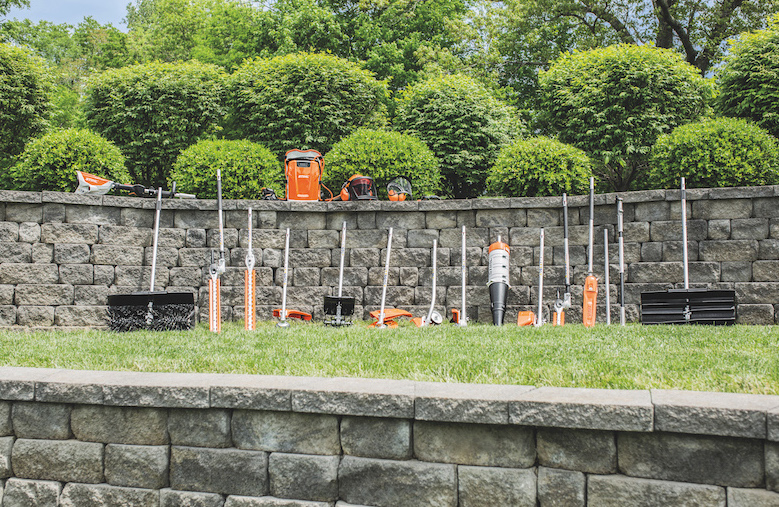
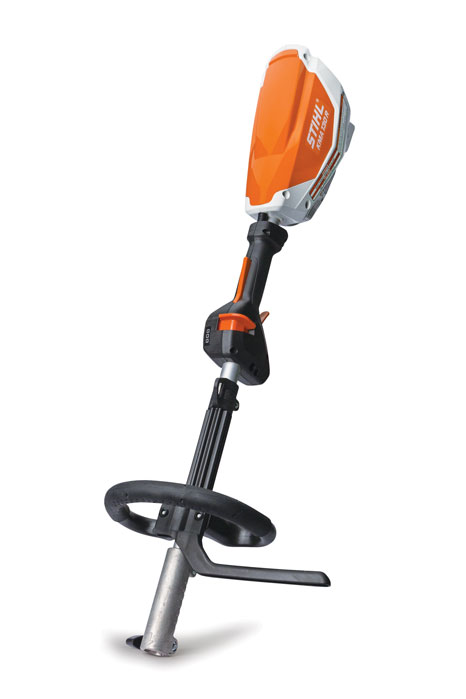
Part of the AP Series of STIHL Battery Products, the KMA 130 R KombiMotor gives professionals the ability to trim, prune, edge, clean, cultivate, and more with 13 optional attachments—all without gas, fumes, or exhaust emissions. The versatility of this multi-task tool makes it suitable for landscapers and groundskeepers alike.multi-task tool

“The battery-powered STIHL KMA 130 R KombiMotor can power up to 13 existing STIHL KombiSystem attachments, the same attachments available for the gas-powered Kombi system,” said Mike Poluka, product manager at STIHL Inc. “With one powerhead, professionals can streamline their operations by saving on storage space and maintenance of multiple units.”

multi-task toolThe external AP Series battery source delivers professional-grade power for extensive use on a wide range of applications. It shifts the battery weight to the user’s back or hips, ensuring a lightweight, comfortable, and balanced position, regardless of the attachment being used.

multi-task toolThe KMA 130 R KombiMotor features quiet operation enabling it to be used during extended hours, such as early mornings, evenings, holidays, and weekends. Instant starts allow quick movement from one task to another, and the variable speed throttle trigger has three performance levels so the user can select the operation speed that’s best for the job at hand, conserving battery energy and providing maximum run times. Level 1 is 0 -6,300 RPM; Level 2 is 0 – 7,200 RPM; and Level 3 is 0 – 8,500 RPM. In addition, the commercial-grade, brushless electric motor offers optimal performance and durability for a virtually maintenance-free service life.

multi-task toolThe KMA 130 R KombiMotor includes a straight, solid steel drive shaft with a lifetime limited warranty; a multi-function control handle that can be adjusted with one hand; and an ergonomic rubberized loop handle for efficiency and comfort. The unit’s toolless quick-release coupling system makes it easy to switch between Kombi attachments and allows the multi-task tool to be dismantled into two parts for easy transport and storage.

The KMA 130 R KombiMotor’s water-resistant design offers landscapers the versatility to operate in wet or rainy conditions and complete tasks with fewer weather delays (STIHL AR backpack batteries are suitable in rainy conditions when used with a rain cover). A vertical hanging slot provides convenient, easy storage.

Batteries, chargers, attachments, and accessories must be purchased separately.

The post STIHL KMA 130 R Multi-task Tool appeared first on Turf.


from RSSMix.com Mix ID 8230377 http://bit.ly/2PleZEd
via IFTTT

Monday, 15 April 2019

Get Ahead Of Trends With Propane Powered Equipment

propane powered

From emissions regulations to high gas prices, propane powered equipment can provide a wide range of benefits.

Commercial propane mowers are no longer a niche product for environmentally-minded professionals in the turf and landscape maintenance industry, but rather a well-established alternative to gasoline and diesel. Propane now fuels more than 27,000 commercial mowers across the United States at the start of the 2019 cutting season, and a dozen mower brands produce more than 150 propane mower models in a variety of zero-turn, wide-area, and stand-on units.

Several trends in the past few years have led to this increased adoption of propane equipment in the industry, including an increasing demand for environmentally-friendly services from consumer customers and public agencies operating their own fleets or bidding out maintenance work to contractors. This is all in addition to high summer gas prices. Not only are these trends going to continue affecting landscape contractors, use of the alternative fuel will continue to provide solutions to meet a wide variety of challenges.

Propane can meet demands for reduced emissions.

Sustainable and environmentally-friendly services, treatments, and designs have been on “top trends” lists from the National Association of Landscape Professionals for several years now and aren’t likely to go away. In fact, in a 2018 survey conducted by the Propane Education & Research Council, a quarter of landscape contractors who responded believe the number of their customers requiring alternative fuels will increase in the next three years. Nearly a third of landscape contractors who responded have also considered using propane mowers.

Propane mowers aren’t just good when it comes to reducing emissions; they frequently meet or exceed current emissions standards for commercial mowers. Contractors using propane mowers reduce greenhouse gas emissions by 17%, nitrous oxide (NOx) emissions by 19%, and sulfur oxide (SOx) emissions by 16%, compared to when using gasoline mowers. These chemicals are all major contributors to ground-level ozone that can cause breathing difficulties and worsen pre-existing conditions such as asthma or chronic respiratory infections.

In communities with “ozone action days,” contractors can continue to mow with propane equipment when gasoline or diesel machines would otherwise be sidelined. In addition, the EPA recognizes propane as a non-contaminant of the air, water, and soil.

Propane mowers also have clean claims over battery-powered equipment. Considering site-to-source emissions, propane is responsible for far fewer SOx emissions than electricity with approximately 30% of the U.S. still relying on coal-fired plants, according to the Energy Information Administration. Propane cylinders can also last nearly 30 years and be recycled at the end of their lives. By comparison, batteries are considered a hazmat material and may require additional costs for disposal.

propane powered

Rotolo Consultants, Inc. in Slidell, LA uses nearly 100 propane-powered mowers in its fleet. The landscape company is also transitioning close to 100 of its fleet vehicles to propane autogas. Shown here are two of Rotolo’s propane-powered mowers alongside a propane autogas truck.


Propane can reduce fuel costs.

Although gasoline prices at the start of 2019 were very low, shifts in the global fuel market along with U.S. demand have steadily increased the average national cost by 44 cents since January 1, 2019, according to AAA. The high gasoline prices of summer 2018 left a lasting memory with many contractors, and forecasts from GasBuddy are calling for gas prices to approach $3 per gallon at the height of the summer work season again. Fuel is often one of the largest portions of a contractor’s budget — and work can’t be done without it.

Contractors looking for long-term cost solutions will find that propane is consistently less expensive than gasoline because of several factors, even when the price of gasoline is low. For starters, the price of propane traditionally falls between the prices of natural gas and oil, which greatly limits market price fluctuations compared to the wild price swings that gasoline and diesel often have in a given season. Additionally, the majority of the propane supply used in the United States is produced in North America, providing cost stability even when global fuel markets fluctuate.

Creating a fuel contract with a propane supplier can also secure a set price for a period of time. This is a sure way to relieve the headaches associated with budgeting for fluctuating gasoline costs.

Propane can be a one-fuel solution.

It isn’t just with commercial mowers that landscape contractors can take advantage of propane’s benefits. Contractors may even be able to go from juggling multiple fuels to finding a one-fuel solution with propane.

Contractors using battery-powered equipment may observe challenges with keeping batteries charged throughout a day or needing to carry as many as five batteries. Instead, adding a small propane inverter generator to a truck or trailer can provide contractors with portable power that can take care of in-the-field charging.

Contractors can also use propane autogas vehicles to reduce emissions and fuel costs. Propane autogas vehicles produce up to 22 percent fewer greenhouse gas emissions than gasoline vehicles. The alternative fuel can be used in a number of light- and medium-duty trucks, vans, and chassis models thanks to the versatility of the many EPA- and CARB-certified propane autogas conversion kits.

propane poweredAlthough it’s no secret that the green industry faces new changes and challenges, by adding propane equipment to a fleet, contractors can find themselves moving ahead of competition and costs.

Wishart is the director of off-road business development at the Propane Education & Research Council. He can be reached at jeremy.wishart@propane.com.

Contractors can register for a free webinar presented by PERC and Turf magazine — “Why the Growth of Propane Deserves Your Attention,” on Thursday, April 25, 2019. Learn more and register here.

The post Get Ahead Of Trends With Propane Powered Equipment appeared first on Turf.


from RSSMix.com Mix ID 8230377 http://bit.ly/2KFdX7g
via IFTTT

Thursday, 11 April 2019

NDS Stormwater Drainage Tools App

Stormwater Drainage Tools

NDS, Inc., a provider of drainage and stormwater management solutions, has launched a mobile app for contractors, civil engineers, landscape architects, and DIY homeowners. The “Stormwater Drainage Tools” app calculates stormwater runoff and determines requirements for implementing a variety of drainage solutions.

Stormwater Drainage ToolsThe Stormwater Drainage Tools app includes NDS’ complete product catalogs for drainage, stormwater management, irrigation, and flow management. It features an easy-to-use calculator that determines runoff in gallons per minute and cubic feet of water per second as well as required pipe diameter for any given drainage need. It also includes a separate calculator for determining the number of dry wells needed for detaining collected stormwater and the type and size of drainage pipe needed based on area size and surface type, the depth and thickness of gravel backfill, and the slope of drainage pipe. In addition, the Stormwater Drainage Tools app links to “Where to Buy” information for purchasing products.

“Our mobile app provides an easy and quick way for determining the amount of water draining from a property and the various ways water can be efficiently stored or managed,” said Sharon Vessels, vice president of marketing and e-commerce for NDS. “The financial cost of a drainage problem can range anywhere from several hundred to tens of thousands of dollars to fix a wet basement, a soggy back yard, a compromised house foundation, or a washed away landscape—which is why it’s important to spot drainage problems early and fix them correctly. With one click, our app connects you to information about drainage products and provides access to our bilingual Technical Services Team who can answer questions—via phone or e-mail—about diagnosis and installation. We are evolving this tool based on contractor feedback and will push an update to the market by July 2019 that will include more powerful diagnosis and installation tools.”

The human health costs of poor drainage on a property can be significant:

  • Poorly drained runoff from roofs can enter basements or flow inside homes through foundational cracks or leaks where it can warp floorboards and turn finished rooms into disastrous, mildew, and moldy messes that can attract insects and rodents
  • Outside, inadequate or non-existent drainage from gutter downspouts can also create standing water that can harbor breeding spots for mosquitoes that carry West Nile virus, Zika virus, and heartworms

A French drain is a trench filled with gravel, rock, or a gravel-free alternative containing a perforated pipe that directs stormwater away from a specific area, blocks the passage of excess debris, and collects water over the entire length of the drain instead of one particular spot. NDS offers two French drain products, called EZflow and EZ-Drain, that are all-in-one gravel-free alternatives to a traditional French drain. EZflow is available in 5′ lengths; EZ-Drain is available in 10′ lengths. Both products feature a slotted pipe surrounded by a polystyrene aggregate enclosed in a geotextile mesh. The aggregate increases void space for improved water flow and greater storage while offering greater structural integrity than gravel. Both products are ideal for retaining walls, foundation and footing perimeter drains, landscape drains, and sports fields.

Dry wells capture, filter, and discharge stormwater into the subsoil, reducing pollutants, helping replenish groundwater tables, and managing stormwater close to its source. Used independently or as part of a larger stormwater management system, dry well units can meet a variety of project needs and accommodate higher volumes of water. NDS offers a dry well product, called Flo-Well, that holds up to 50 gallons of stormwater per unit and is a gravel-free alternative to a traditional dry well without requiring heavy equipment for installation, saving time and labor. Flo-Well is a 2′ round barrel made of 100% recycled plastic materials that is easily assembled and placed into a hole. A lid is then placed on the Flo-Well to prevent dirt from getting inside. The side panels have knockouts that remove to allow for a wide variety of pipes to be connected.

The NDS Stormwater Drainage Tools mobile app is available for free download at Apple’s App Store and Google Play.

The post NDS Stormwater Drainage Tools App appeared first on Turf.


from RSSMix.com Mix ID 8230377 http://bit.ly/2G40sbt
via IFTTT

Wednesday, 10 April 2019

A Technological Break-Through In Sustainable Lake & Pond Management

algae blooms

By Bo Burns

Algae: it comes in many forms and colors. It’s slimy, stinky and can ruin the beauty and function of your golf course lakes and irrigation systems. It’s also one of the oldest known organisms on this planet, which might explain its knack for survival, even under the toughest conditions. Over time, golf courses and property management companies have learned to pick sides when it comes to the safe eradication of stubborn and harmful algal blooms—some in favor of natural management techniques; others in support of applying EPA-registered algaecides to ensure the job gets done. But this year, a new game changing technology will make the management of stubborn algae blooms a no-brainer with more long-lasting results that are beneficial for the environment.

algae blooms

Before Nanobubble Aeration.

Nanobubble aeration is a premium innovative technology designed to exceed the capabilities of traditional lake and pond aeration systems by providing up to 79,000x more oxygen! Put simply, nanobubbles are like traditional aeration systems on steroids. Produced by compact on-shore generators, these ultra-fine bubbles are completely invisible to the eye and about 1 million times smaller than ordinary bubbles. As a result of their tiny size, nanobubbles have no natural buoyancy and do not rise to the surface of the water and burst like you might expect. Amazingly, they remain within the water column for up to 2-3 months, providing unparalleled oxygenation to struggling lakes and ponds at your property.  

algae blooms

After Nanobubble Aeration.

The benefits of a continuously oxygenated lake or pond are enormous. First, oxygen is a key player in the battle against undesirable nutrients by facilitating the conversion of phosphorus to forms that do not sustain algae development. Excess nutrients can easily enter golf course lakes and ponds in the form of grass clippings, lawn fertilizers, trash, and droppings from geese and other wildlife. The presence of oxygen also helps to balance pH and other related water quality parameters that encourage the growth of fish, native organisms and beneficial phytoplankton – rather than detrimental bacteria like E. Coli, and cyanobacteria species that can be toxic to humans and wildlife and are believed to contribute to degenerative diseases like ALS, Alzheimer’s and Parkinson’s.

Another amazing benefit of nanobubbles? In addition to engulfing an entire aquatic ecosystem in concentrated oxygen, nanobubbles are negatively charged and, therefore, attracted to positively charged organic matter in the water column. When they connect with positively charged metals and pollutants, including dangerous cyanobacteria toxins, nanobubbles cause them to implode(!), holistically cleansing the waterbody from the inside out.

algae blooms

Before Nanobubble Aeration.

This innovative water quality solution did not just appear overnight. Nanobubbles have been used in the medical field, the oil and gas business, food preparation areas, and even the beauty industry for purification purposes. However, SOLitude Lake Management is the first environmental firm to advance this technology for large-scale freshwater management applications through continuous research and development with select manufacturers and regulatory agencies.

Through many promising tests and trials, we’ve learned some exciting things: Golf course superintendents and property managers who utilize nanobubbles can expect to significantly reduce and even eliminate reliance on traditional algaecides. Nanobubbles have no negative impacts on turfgrass or ornamental vegetation when monitoring and managing dissolved oxygen levels. Nanobubbles help strengthen the health and longevity of the entire food chain, providing unparalleled aesthetic and ecological balance.

algae blooms

After Nanobubble Aeration.

Nanobubble aeration isn’t just a quick fix or band-aid; it’s a custom, data-driven solution rooted in years of scientific study and first-hand monitoring experience. The technology doesn’t necessarily replace regular proactive management strategies, but it is truly one of the missing pieces to the puzzle of sustainable freshwater management. Used in conjunction with traditional tools like floating fountains, buffer management, mechanical hydro-raking and regular lake and pond inspections, nanobubbles can help keep your water resources healthier and prettier for much longer periods of time, while eliminating nuisance algae and dangerous cyanotoxins before they begin causing problems.

Nanobubble aeration is poised to transform the entire way we approach the management of lakes and ponds and will be an invaluable tool as urban development and undesirable nutrient loading continue to increase. We’re excited to shepherd this new technology in to the freshwater management realm and look forward to further enhancing water quality on your property   and throughout the world.

algae bloomsBo Burns is a Biologist and Market Development Manager at SOLitude Lake Management, an industry-leading environmental firm. He specializes in the research and development of new technologies using more than 30 years of industry experience along with a Master of Environmental Management degree in Resource and Wetland Ecology from Duke University. This article is the first in a series featuring new break-through technologies that will revolutionize the management of lakes, stormwater ponds, wetlands and fisheries in 2019. 

The post A Technological Break-Through In Sustainable Lake & Pond Management appeared first on Turf.


from RSSMix.com Mix ID 8230377 http://bit.ly/2KrCNaA
via IFTTT

Tuesday, 9 April 2019

Easier Oil Changes For Your Equipment

quick oil change

Nobody enjoys changing an oil and filter. They certainly don’t enjoy cleaning up the mess afterwards or finding that the container housing the old oil has leaked over the workshop floor or the back of the truck. Nexcel, a BP innovation division, has brought a sealed oil cell solution to market for automotive manufacturers, which it is adapting for utilization in the commercial small engine (CSE) market.

quick oil change

Nexcel’s sealed cell being removed from its dock on a ride-on lawn mower.

“Engine technology may have moved on in the off-road equipment market, but oil changes are still carried out in the way they always have been; things have not got any quicker or cleaner,” explains Nexcel marketing and sustainability director, John Ward-Zinski. “We have identified an opportunity, using technology that was initially developed for the automotive industry, to reduce equipment downtime, ease servicing and waste oil and filter disposal and, potentially, reduce the risk associated with extended oil drain intervals.”

Put simply, Nexcel is an active oil management system that features a sealed-cell design that enables oil changes to be carried out in 90 seconds with no risk of spillage. A canister of new engine oil and filter is “plugged-in” to a dock on the engine and enables precise control over oil quality and correct volume. The system’s design also helps promote sustainability by creating a high-quality used oil feedstock for re-refining; collection of used oil in a sealed cell eliminates the risk of contamination and provides micro-segmentation of oil types.

“The environmental aspect is obviously crucial, but the Nexcel system has been developed to provide tangible business benefits to customers in the CSE market,” continues Ward-Zinski. “For example, the system is perfect for use in conjunction with small, extremely hard-working engines that require frequent oil drain intervals to ensure optimal durability and avoid accelerated wear in arduous conditions. The sealed cell significantly reduces the time required for maintenance. Machines fitted with Nexcel would no longer need workshop visits or to be worked on by qualified mechanics for routine oil and filter replacements – in fact they could even be swapped during a coffee break for ultimate efficiency.”

quick oil change

At Nexcel’s sustainability director, John Ward-Zinski, demonstrates the Nexcel technology in an Aston Martin V8 Vantage at the GIE+EXPO 2018.

“Nexcel’s automotive development has been with Aston Martin, and we exhibited a V8 Vantage at GIE (Green Industries and Equipment) 2018,” he continues. “It was a successful show for Nexcel with a great deal of interest being shown by chassis manufacturers. The show research we undertook underlines the desire for robust efficiency in CSE maintenance, and any incremental improvements that can be made to day-to-day processes could have significant advantages. The most popular maintenance improvements from the research are efficiency, flexibility, and convenience. Nexcel changes are entirely tool-free and require no specific training, providing the ultimate on-the-fly experience.”

It’s a compelling case made more impressive by the promise of drip-free oil changes that can be completed on-site, without the fear of leaving a customer’s property in a mess. Ward-Zinski says that used cells could be taken to local collection points without the need for storage, dirty transportation, or filter-disposal solutions.

The company is already working with engine manufacturers to assess series production opportunities and says that, if demand calls for it, the system may even assist in the provision of extended warranties, subject to manufacturer approval. This is made possible by Nexcel’s precise control mechanisms that ensure only the specified oil is used, the correct oil levels are maintained, and each oil change is automatically logged.

Oil management may not have advanced much in the last 50 years, but a promise of reduced downtime and a routine service procedure that is literally cleaning up its act sounds like it was worth the wait.

The post Easier Oil Changes For Your Equipment appeared first on Turf.


from RSSMix.com Mix ID 8230377 http://bit.ly/2ImC1ZK
via IFTTT

Kujo Yard Shoe for Lawn Care

yard shoe

The Kujo Yard Shoe from Kujo Yardwear, a startup footwear company specializing in shoes for working in the yard, is a tough, hybrid work shoe. Merging boot-like durable tread and water-resistance with the flexibility and light weight of a breathable athletic shoe—it is built for anti-fatigue wear and all day comfort.
yard shoe
“Hands down these shoes are a game changer for my business and the way we work. We’re no strangers to clunky work boots that become hot and sweaty during the workday. These lightweight shoes have made doing our lawn care maintenance work a breeze,” says Brian Fullerton, owner of Brian’s Lawn Maintenance LLC in Wixom, Michigan.

yard shoeA tough ¼” rubber outsole protects the bottom of the shoe and features 6mm lugs for tough traction and flex grooves for agile mobility. The cushioned EVA midsole measures ¼” thick for enhanced comfort and anti-fatigue. The toe cap is a smooth SPU which resists water and abrasion and has a flex window for increased breathability and agility. The lightweight Transparent Sonic Welds keep the shoe stabilized and supported without the heavy excessive layers. The breathable air mesh canvases the upper to provide airflow while protecting against water and debris with its inner lining. The smart collar lining is equipped with antimicrobial protection and added padding for comfort.

The Kujo Yard Shoe has made the most important tradeoffs to work like a boot and fit like a shoe. This anti-boot has a unique toe-cap that is easily cleaned, keeps feet dry, and repels grass while the aggressive rubber grip was specifically designed for wet, grassy slopes. Lawn care and landscaping professionals have a smart and functional footwear option designed for the outdoor “office”.

yard shoeThe Men’s Kujo Yard Shoe comes in Grey/Green, Black/Green, and Black/Black in sizes 5 through 14. The Women’s Kujo Yard Shoe comes in Grey/Purple, Grey/Green, Black/Green, and Black/Black in sizes 6.5 through 12.5.

While the current model of the shoe is only offered in a soft toe version, Kujo is developing a composite-toe version with higher ankle support that is 100% waterproof for professionals who encounter more than dewy grass or who require safety-toe footwear.

The shoes are available on the Kujo site, Amazon, and Dick’s Sporting Goods.

The post Kujo Yard Shoe for Lawn Care appeared first on Turf.


from RSSMix.com Mix ID 8230377 http://bit.ly/2uSfcoN
via IFTTT